ONE YEAR IN: Strengthening Programmes While Shaping Sustainable Impact
One year into her role and this phase of programme development at WCAPD, Vari reflects on a period defined by learning, insight, and a deepening appreciation for the complexity, and importance, of well‑structured, responsive programmes. At the centre of this work has been the opportunity to engage closely with WCAPD’s existing programme offering. Through monitoring, evaluation, and ongoing engagement with service delivery, this past year has strengthened our understanding of the realities faced by persons with disabilities and their families and the role that thoughtful programme design plays in shaping meaningful outcomes.
This experience has reinforced a critical principle: effective programmes are not static. They require continuous reflection, adaptation, and alignment with both community needs and broader social, economic, and environmental conditions.
From Insight to Strengthened Practice
A core focus of the past year has been understanding how programmes function in practice, where they are effective, where they can be strengthened, and how they can evolve to remain relevant over time.
Through this process, the value of monitoring and evaluation as a strategic tool has become increasingly clear. It is not simply about measuring performance, but about building an evidence base that informs improvement, strengthens accountability, and ensures that services remain both impactful and sustainable.
Looking ahead, strengthening this function remains a key priority. By refining how programme outcomes are assessed, we are better positioned to:
Designing for Inclusion and Longevity
Beyond evaluation, the next phase of programme development focuses on ensuring that services are not only inclusive, but sustainable. This means designing programmes that:
Sustainability, in this sense, is not limited to funding. It is about ensuring that programmes continue to deliver value over time, adapt to changing conditions, and remain meaningful to the people they serve.
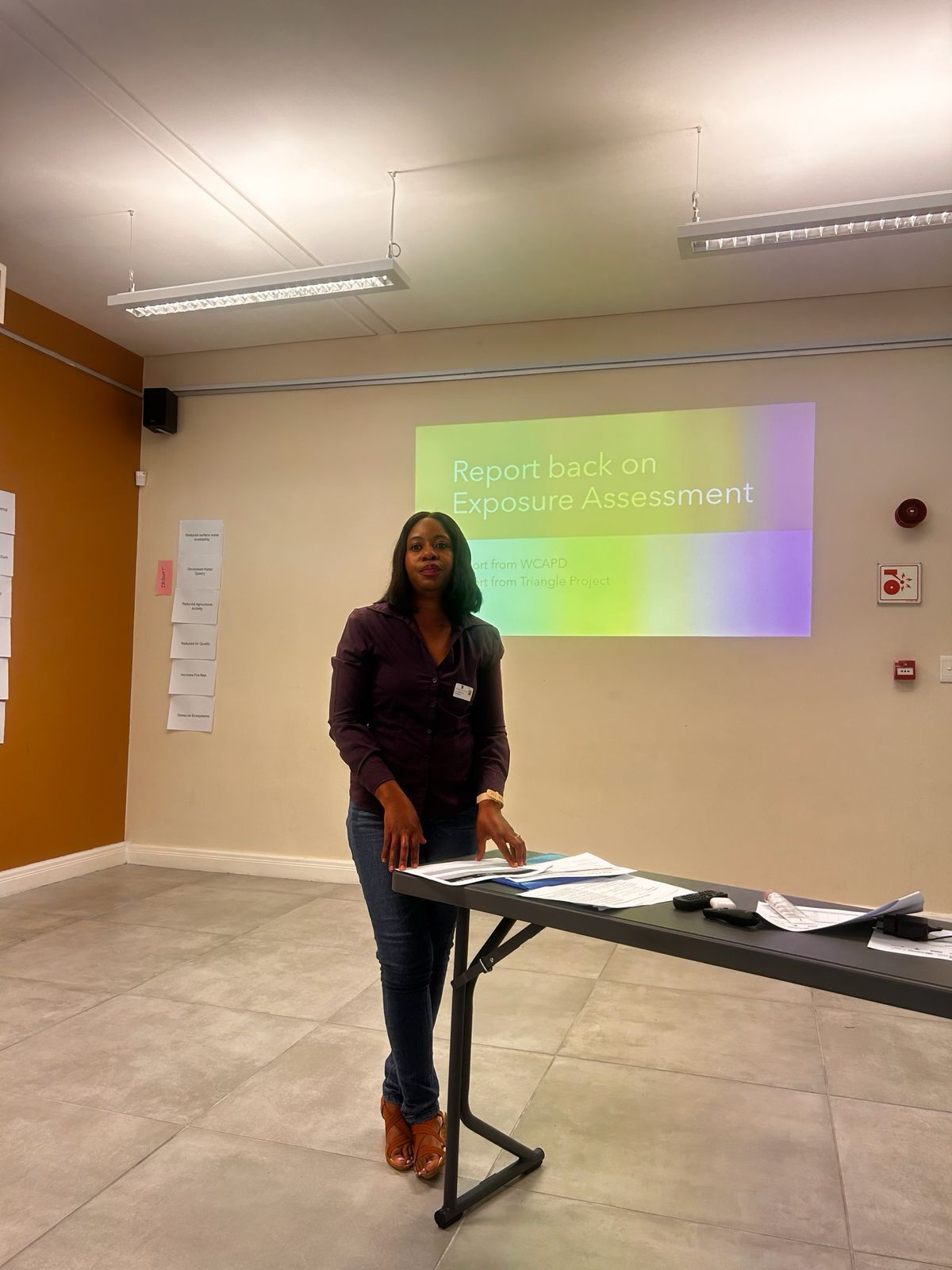
Increasingly, this also requires recognising and responding to the impact of climate change on persons with disabilities, particularly those living in marginalised communities. Extreme weather events, such as flooding, place strain on already limited resources and infrastructure, often disrupting access to essential services, mobility, and support systems. For persons with disabilities, these disruptions can be more severe and longer‑lasting. As a result, programme design must incorporate greater resilience, preparedness, and responsiveness to environmental challenges, ensuring that support systems remain functional even under pressure.
The Role of Collaboration
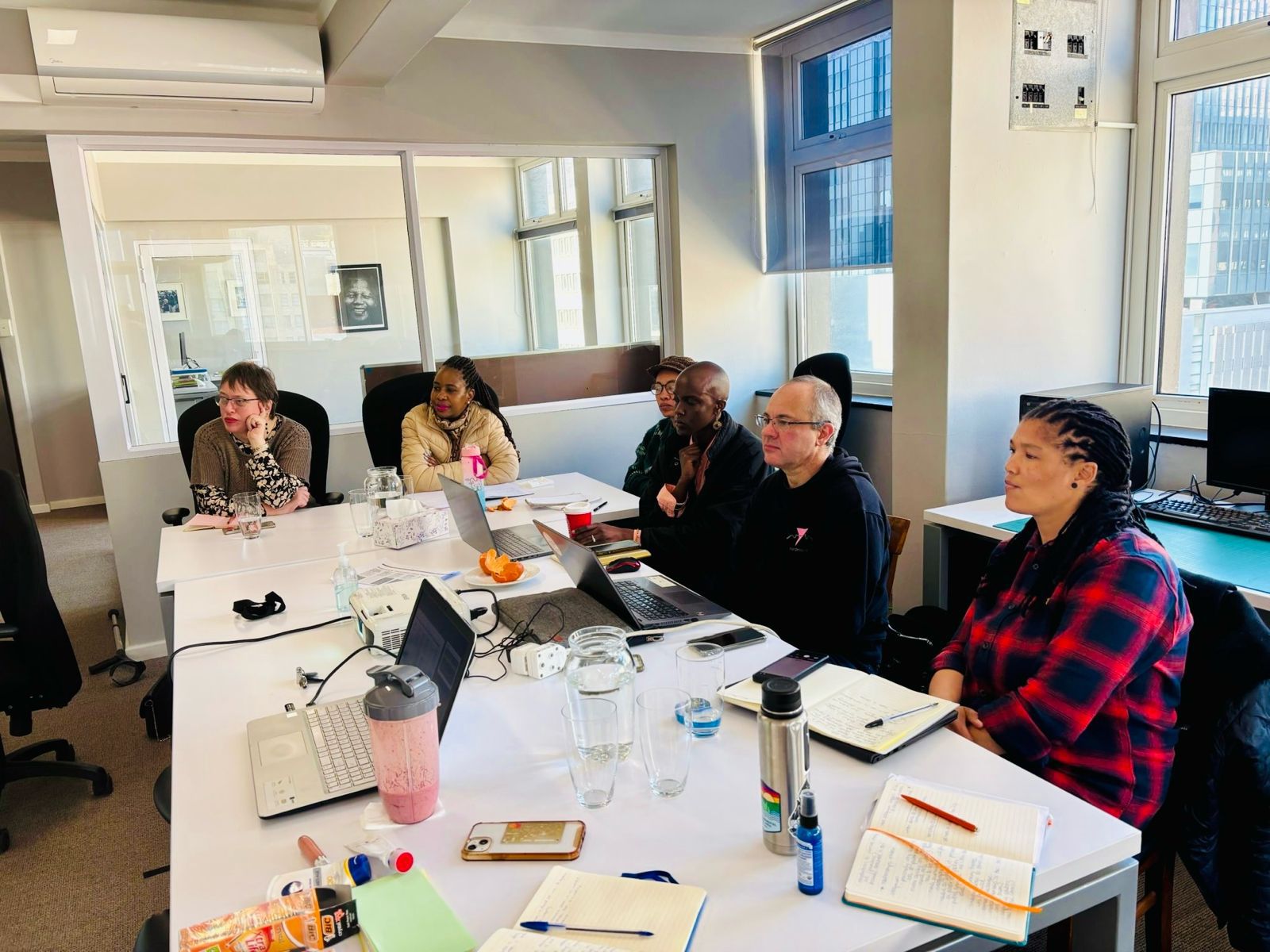
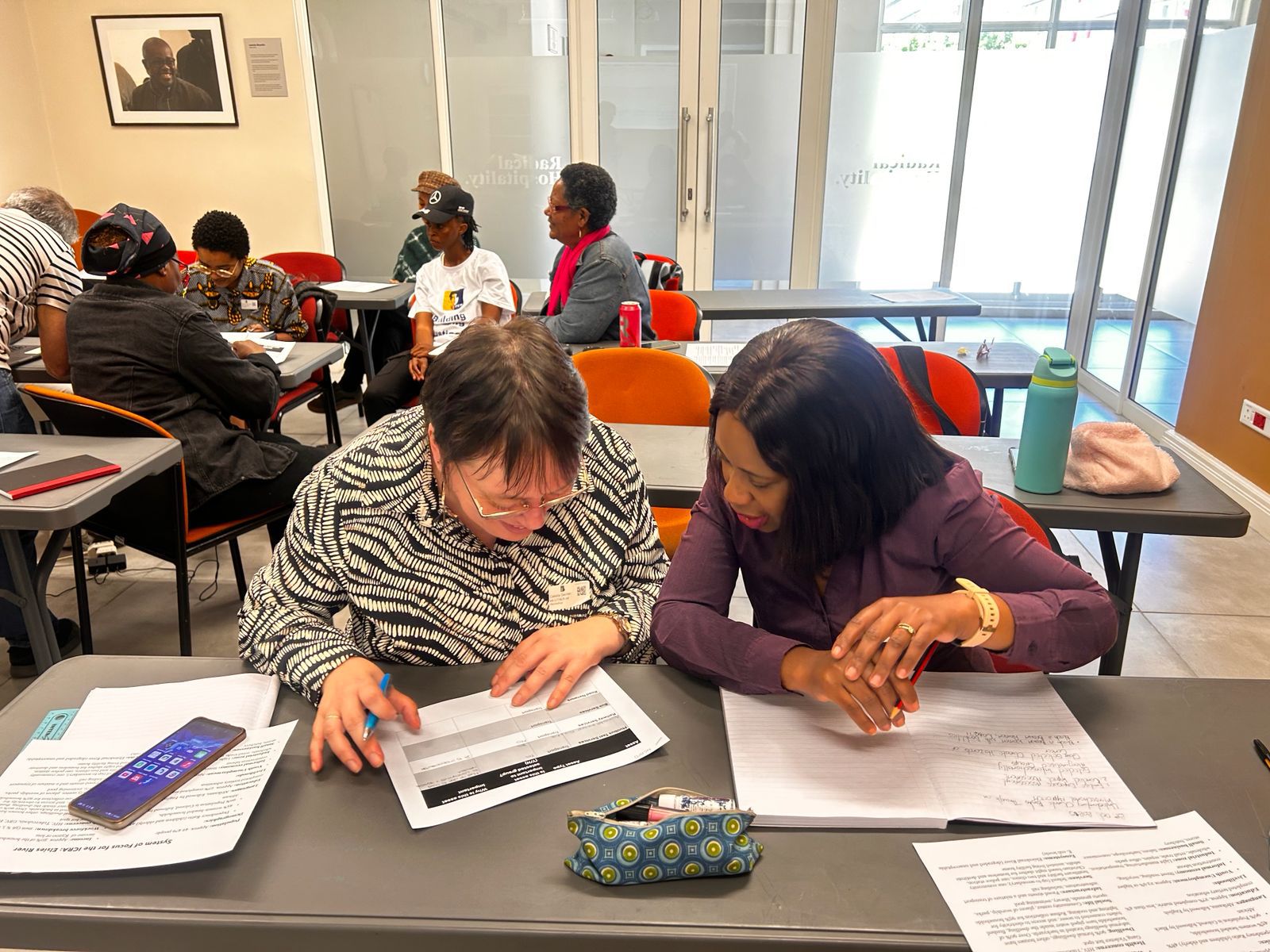
Another defining feature of this period has been the importance of collaboration, both within WCAPD and with external stakeholders. Strong partnerships between branches, communities, families, and sector partners create a more holistic approach to service delivery. They ensure that programmes are informed by lived experience, while also enabling shared learning and innovation. As climate‑related challenges become more visible, collaboration becomes even more critical in ensuring that responses are coordinated, inclusive, and equitable, particularly in communities where vulnerability is compounded by poverty and limited access to resources.
For WCAPD, this collaborative approach remains central to expanding impact and ensuring that programmes are grounded in the realities of the communities we serve.
Responding to Economic Realities
As South Africa continues to navigate high levels of unemployment and economic pressure, programme development is increasingly shaped by the need to support economic participation and independence. Persons with disabilities are often disproportionately affected by:
In response, we are placing growing emphasis on programmes that support:
This shift reflects a broader understanding that inclusion is not only social, it is economic. Sustainable impact requires enabling individuals to participate meaningfully in the economy and build pathways toward long‑term independence.
A Foundation for the Future
While the past year has been marked by learning and reflection, it has also laid the groundwork for a more intentional, forward‑looking approach to programme development.
Equally significant has been the environment in which this work takes place. Working within a committed and collaborative team continues to strengthen our shared focus on service excellence, innovation, and continuous improvement, all in support of WCAPD’s mission to promote dignity, inclusion, and empowerment.
As WCAPD continues to strengthen and evolve its programme offering, the focus remains clear: to develop initiatives that are responsive, sustainable, and capable of delivering meaningful change across social, economic, and environmental realities, both now and into the future.
As we continue to strengthen and evolve this work, we welcome partners, collaborators, and stakeholders to engage with us because building sustainable inclusion is a shared responsibility. Email programmedevelopment@wcapd.org.za.