FROM PRACTICE TO PARTNERSHIP: Strengthening Social Work Supervision for Sustainable Disability Support
Across South Africa, social workers operate in increasingly complex environments, balancing direct practice with administrative demands, ethical accountability, and the realities of stretched systems. Within this context, quality supervision remains one of the most significant predictors of effective, ethical, and sustainable social work practice.
At Western Cape APD, supervision is approached not as a compliance exercise, but as a developmental process grounded in the three core pillars of social work supervision: administrative, educational, and supportive supervision. This model reflects both best practice and WCAPD’s more than 90 years of experience in supporting persons with disabilities through professional, rights‑based services.
Currently, WCAPD provides structured social work supervision to a practising social worker working within a residential disability context. The supervision process covers the three primary methods of social work practice: casework, group work, and community work alongside administrative responsibilities and applied research. This integrated approach ensures that practice decisions are reflective, accountable, and responsive to the lived realities of service users.
Learning From Lived Systems:
The Camphill Farm Community Context
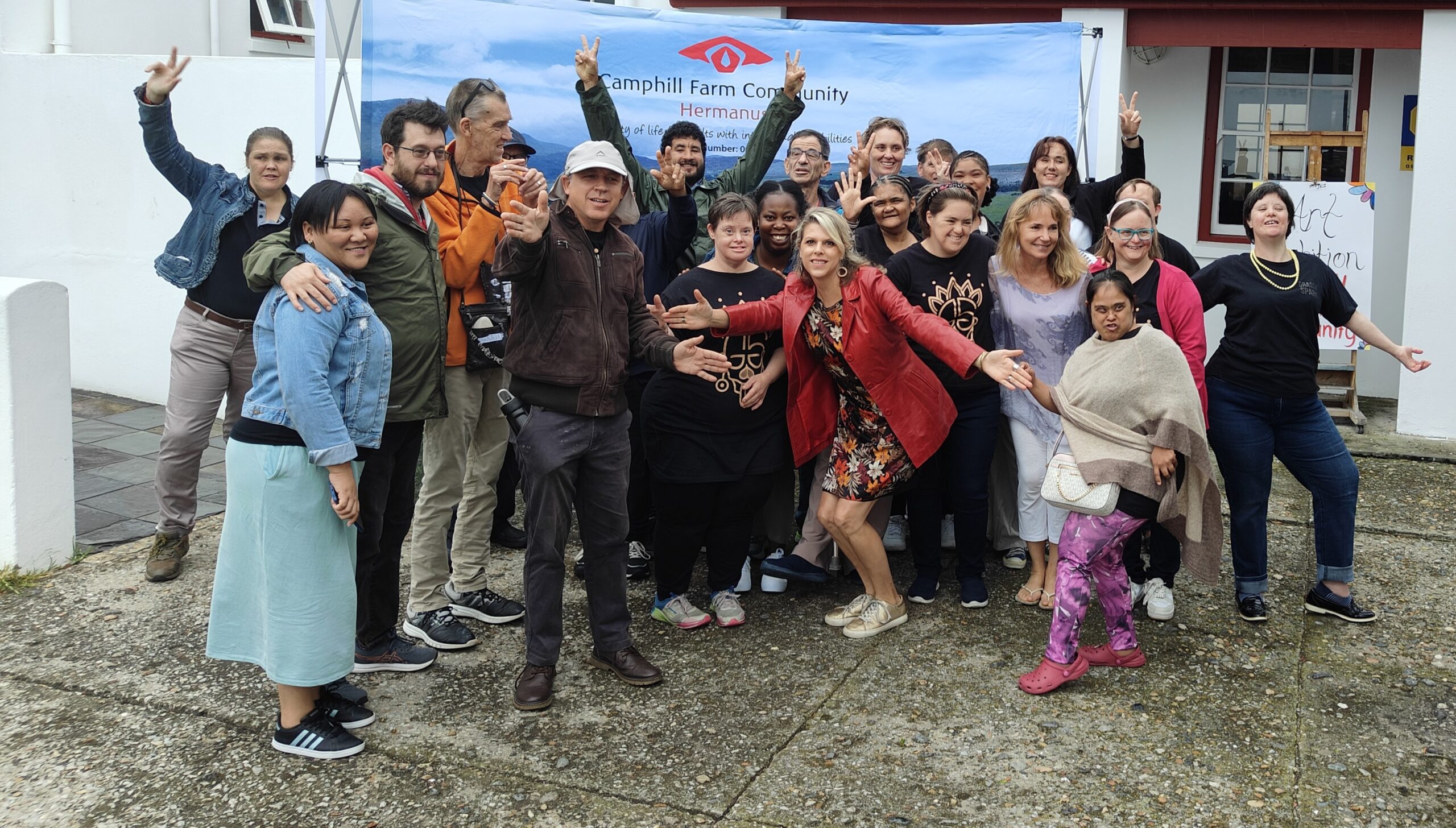
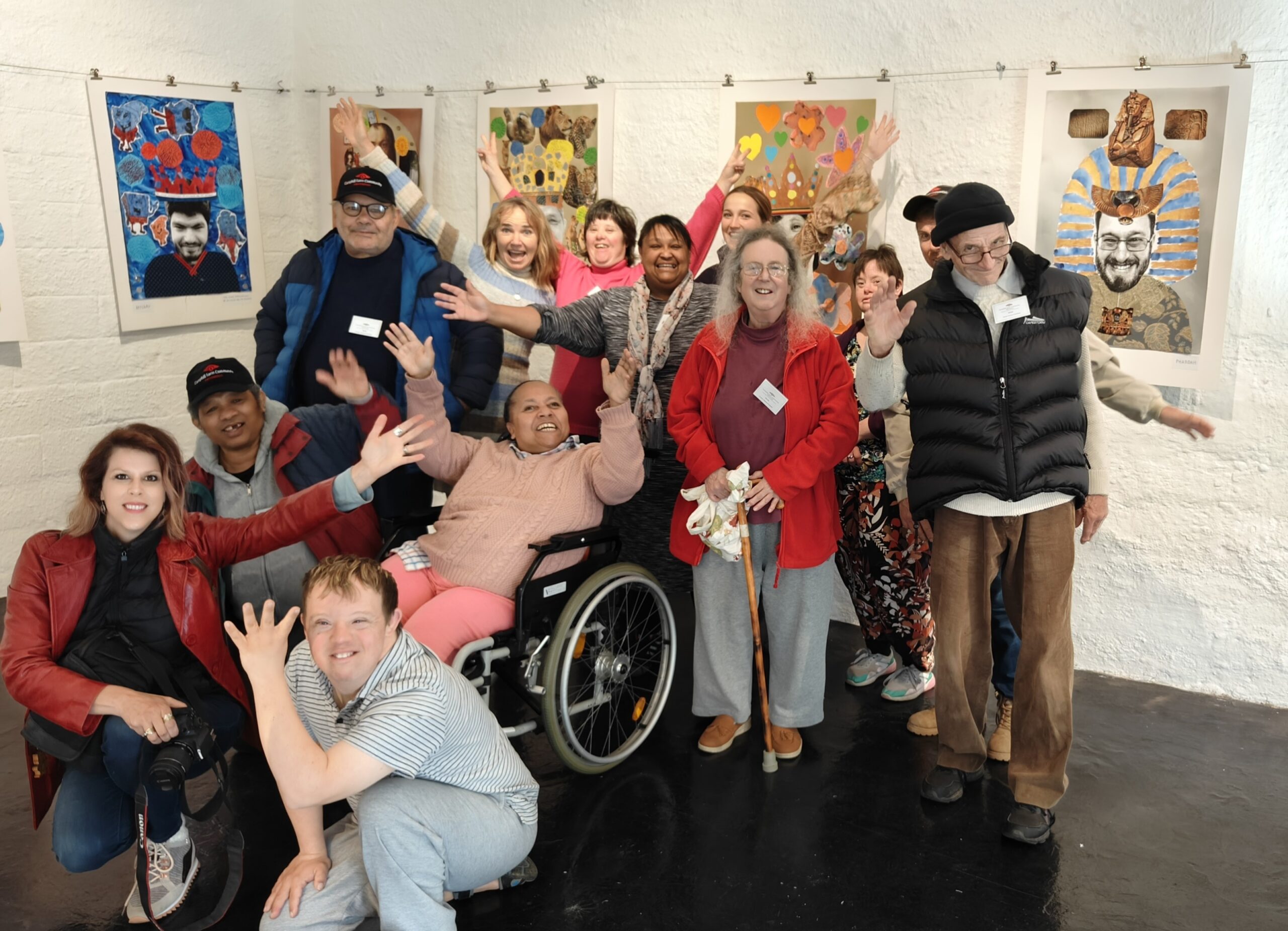
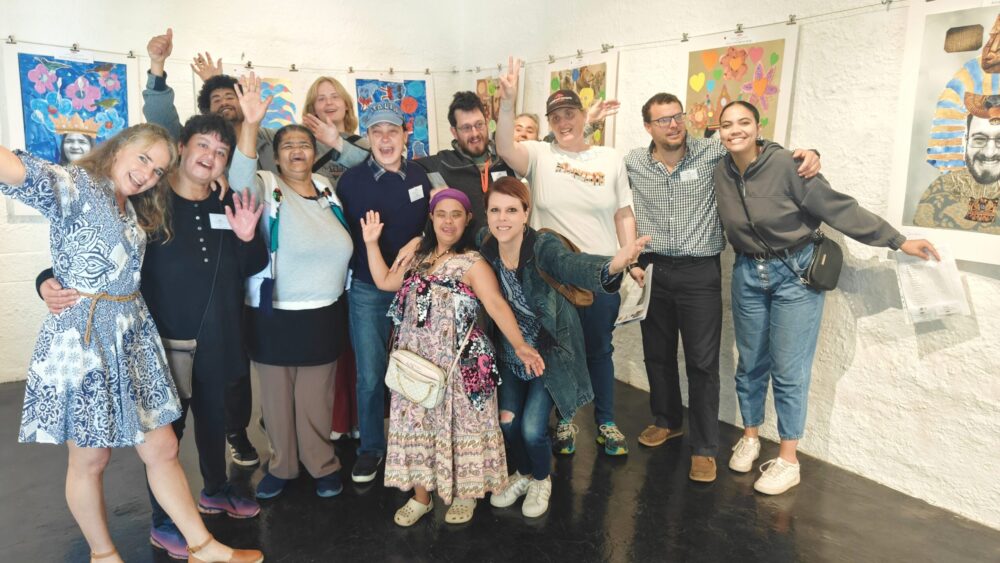
This supervision takes place within the context of Camphill Farm Community in Hermanus, a residential farming community supporting adults with intellectual disabilities. The community model is intentionally relational: residents and support staff live together in small households, sharing daily routines, meals, responsibilities, and celebrations in a family‑style environment. Residents participate in structured, meaningful work as part of daily life including organic and biodynamic farming, food and herb cultivation, bee keeping, poultry care, craft workshops, drumming groups, cattle farming and the estate garden teams that see to the maintenance of the farm.
With approximately 51 residents, the work is not only productive but deeply therapeutic, supporting dignity, agency, and a sense of belonging.
Internationally, similar community‑based and work‑centred models have been shown to contribute to improved psychosocial wellbeing and long‑term sustainability of care environments. What becomes clear in this setting is that supporting people with disabilities effectively requires skilled professionals who can navigate complexity at individual, group, and community levels simultaneously.
From Internal Expertise to Shared Capability
WCAPD’s long history of advocacy and service delivery has generated a depth of professional knowledge that extends well beyond organisational boundaries. Increasingly, this experience is being shaped into structured skills development and training offerings, made available to external organisations working in disability, health, social development, and community systems. This direction reflects a strategic understanding shared by many long‑standing social development organisations globally: sustainability is strengthened when expertise is shared, not siloed. By formalising training, supervision, and professional development offerings, WCAPD is able to support sector‑wide capacity while generating income that contributes to organisational resilience.
Importantly, this approach does not replace WCAPD’s core mission, it reinforces it. High‑quality supervision and training directly influence service quality, staff retention, ethical practice, and long‑term impact for persons with disabilities.
An Invitation to Engage Differently
As WCAPD continues to evolve its training and professional development work, there are growing opportunities for partnership, collaboration, and shared learning. For organisations operating in complex human systems, investing in supervision and skills development is not an added extra, it is a strategic choice that strengthens outcomes for both service providers and the communities they serve.
In this way, WCAPD’s work in supervision and training becomes more than a service offering. It becomes part of a broader conversation about how organisations remain effective, ethical, and sustainable in a changing social landscape.
For further information or to explore a tailored training or supervision intervention, please contact WCAPD at socialwork@wcapd.org.za.