No-one Should be Left Behind: Climate Change Is Everyone’s Business
Over the past 18 months, Western Cape APD has embarked on one of the most thought-provoking and transformative journeys in our recent history. While many of our programmes focus on immediate support, inclusion and advocacy for persons with disabilities, this particular initiative challenged us to look beyond the present and confront an issue that will increasingly shape the lives of every South African in the years ahead: climate change.
Through our partnership with Urban Earth, the Triangle Project and other role-players, WCAPD has had the opportunity to participate in an international research project exploring the intersection between climate change and vulnerability. While climate change is often discussed in terms of rising temperatures, droughts, floods and storms, our involvement has revealed a deeper and equally important reality: climate change does not affect everyone equally.
The concept of intersectionality has been a central theme throughout this project. In simple terms, intersectionality recognises that people experience challenges differently based on a combination of factors such as disability, age, gender, race, income level and living conditions. These factors overlap and often compound one another.
For a person with a disability living in a well-resourced community, extreme weather may present certain challenges. For a person with a disability living in poverty, in an informal settlement vulnerable to flooding, without reliable transport or access to emergency information, those same weather events can become life-threatening. Climate risks are therefore not only environmental concerns; they are also social and human rights concerns. This reality became increasingly evident through the focus groups conducted during the research process. Participants were given a valuable platform to share their experiences, concerns and ideas. Many spoke about the practical ways climate change is already affecting their daily lives, whether through extreme heat, water shortages, difficulties accessing services during severe weather events or concerns about emergency preparedness.
In South Africa, discussions naturally centred on issues such as prolonged drought, increasing temperatures, severe storms and flooding. These realities disproportionately affect communities already facing poverty, inequality and inadequate living conditions. Persons with disabilities often experience an additional layer of vulnerability during climate-related disasters when planning, communication and response systems fail to adequately consider their needs.
One of the most rewarding aspects of this project has been the opportunity to engage with researchers, activists and community representatives from other countries facing different but equally complex challenges. This journey culminated in September when WCAPD’s Provincial Director, Elmien Grobbelaar, and Programme Development Manager, Varaidzo Chakanyuka, attended an international climate risk assessment change conference in Kathmandu, Nepal.
What became clear throughout the conference was that every participating country focused on the issues most relevant to their unique circumstances. In Nepal, conversations highlighted the historical marginalisation of women and the ways in which discrimination continues to influence vulnerability during climate-related events. Despite differing contexts, there was remarkable synergy among participants. The challenges may vary, but the fundamental themes of inclusion, equity and preparedness were shared across borders. The experience in Nepal was particularly powerful because delegates were able to witness disaster preparedness and response in real time. During their visit, parts of the country experienced devastating mudslides.
Observing how communities and authorities responded highlighted both the importance of preparedness and the work that still lies ahead for South Africa. While progress has been made locally, it is clear that greater emphasis is needed on inclusive disaster planning and early warning systems that reach everyone, including persons with disabilities.
For WCAPD, this project has been far more than a research exercise. It has been a process of learning, reflection and growth. It introduced us to new terminology, new ways of thinking and innovative approaches to community engagement and climate resilience. It also reinforced the importance of working alongside like-minded partners who share a commitment to social justice and inclusion. The research findings are already informing important conversations with local and provincial government representatives, policymakers and emergency planning stakeholders. A key message emerging from these engagements is that disaster preparedness cannot be developed for communities without consulting the people most likely to be affected. Persons with disabilities must be actively involved in planning, decision-making and implementation processes.
Looking ahead, WCAPD is committed to ensuring that the lessons from this project do not remain confined to reports and conference presentations. During November, climate change preparedness and awareness training will be rolled out across our APD branch network, equipping local structures with practical knowledge and encouraging stronger relationships with municipalities and disaster management authorities.
We also hope to continue engaging with the women who participated in the original research and focus groups. By monitoring experiences, behaviour and adaptation over time, we will gain valuable insight into how interventions can strengthen resilience within vulnerable communities.
In the longer term, WCAPD aims to share these learnings more broadly across the broader NGO sector, extending conversations beyond disability-focused organisations and encouraging wider collaboration around inclusive climate action. We also intend to work with relevant authorities to explore the development and implementation of more accessible and inclusive early warning systems.
Of all the projects WCAPD has been involved in this year, this one stands out as a true trailblazer. It has taken us into spaces we have not traditionally occupied, challenged us to think differently and opened doors to new partnerships and opportunities for advocacy.
Most importantly, it has reinforced a simple but powerful truth: climate change is everyone’s business. If climate adaptation and disaster planning are to be effective, they must include everyone. As WCAPD continues to champion the rights and inclusion of persons with disabilities, we are determined to ensure that no one is left behind in shaping the solutions needed for a changing world. The journey has only begun, but the foundations have been laid for meaningful action. Now it is time to turn learning into implementation, partnerships into progress and research into real-world change.
For additional insight into this work and WCAPD’s growing role in advancing inclusive climate resilience, read the feature highlighting Elmien’s thoughts in Standard Bank Top Women Leaders 2026 Magazine:
https://issuu.com/topcomedia/docs/top_women_leaders_2026/94?fr=sZmJlYjkzNTYwMDY
For more information about this initiative, please contact programmedeveloper@wcapd.org.za
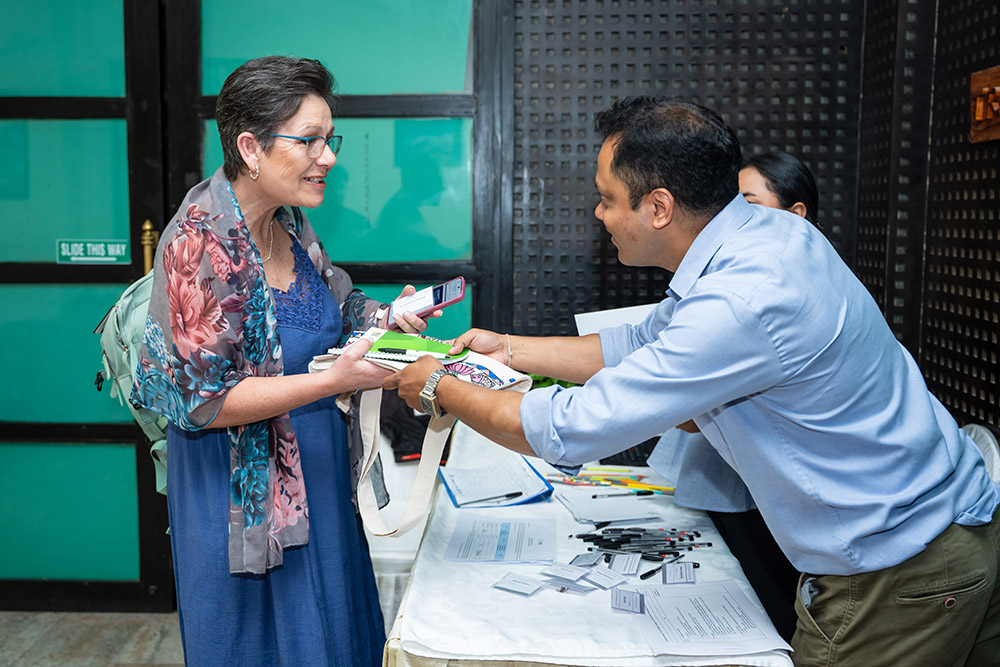
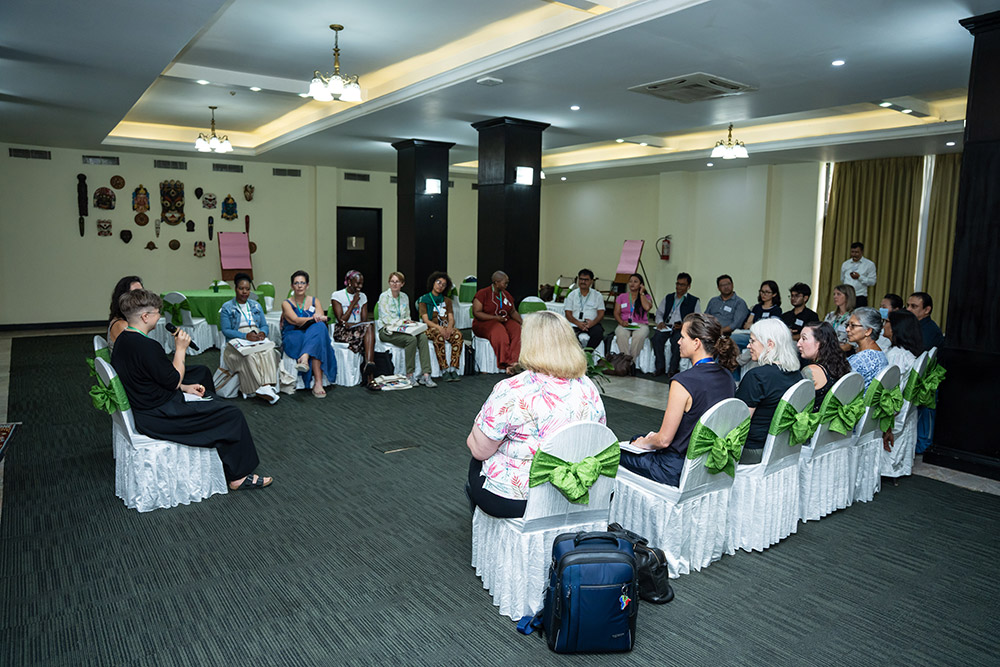
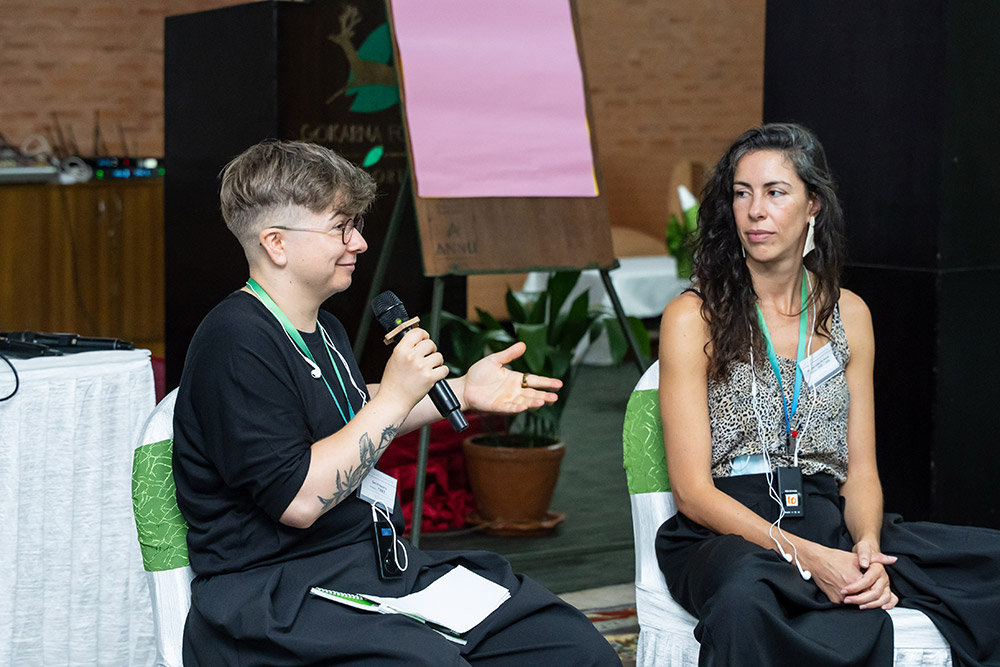
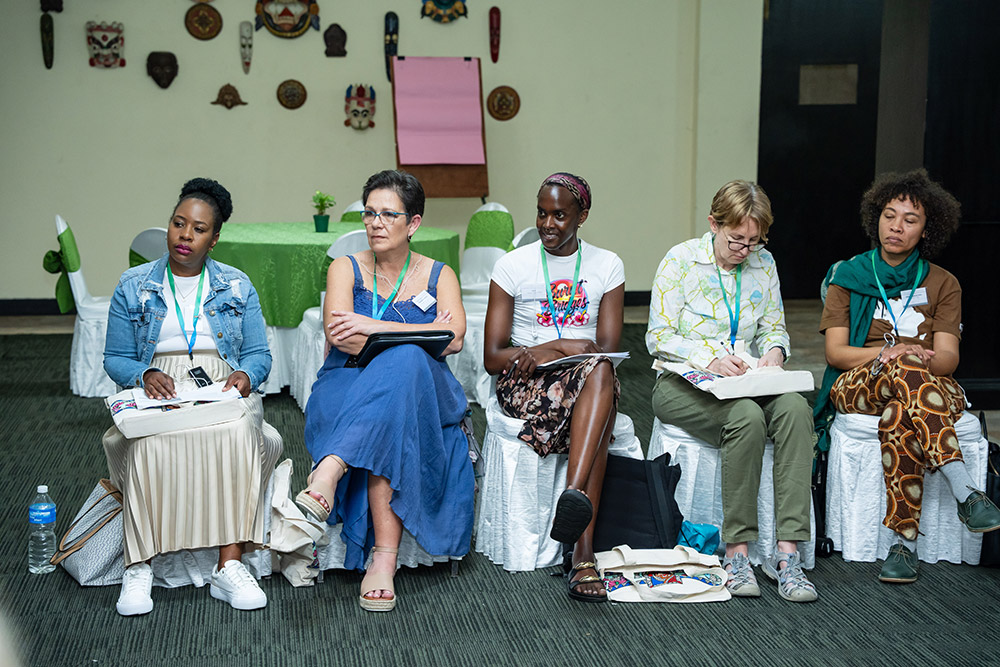
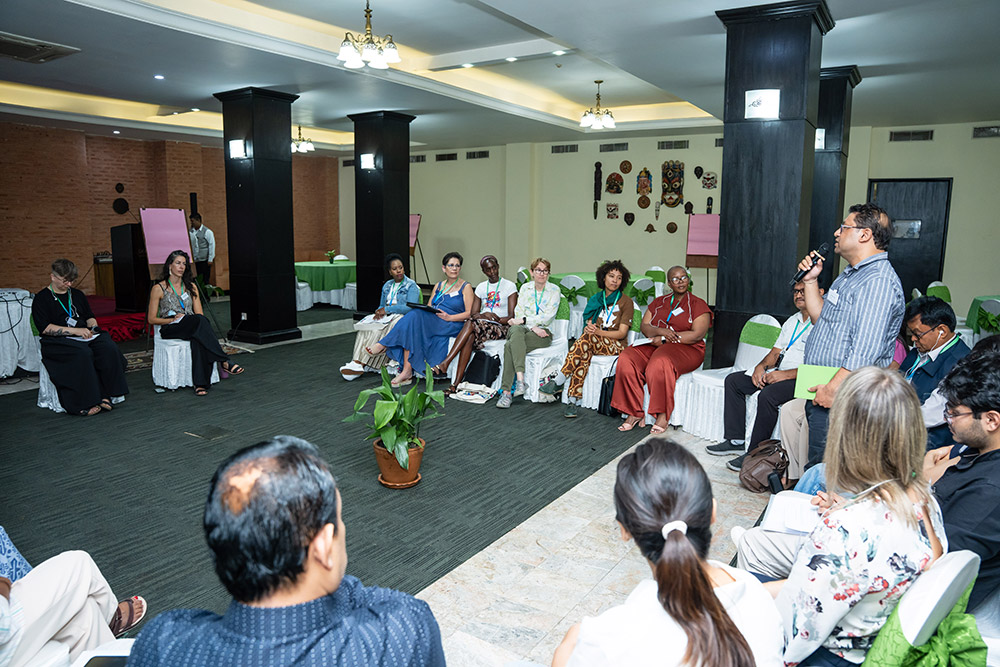
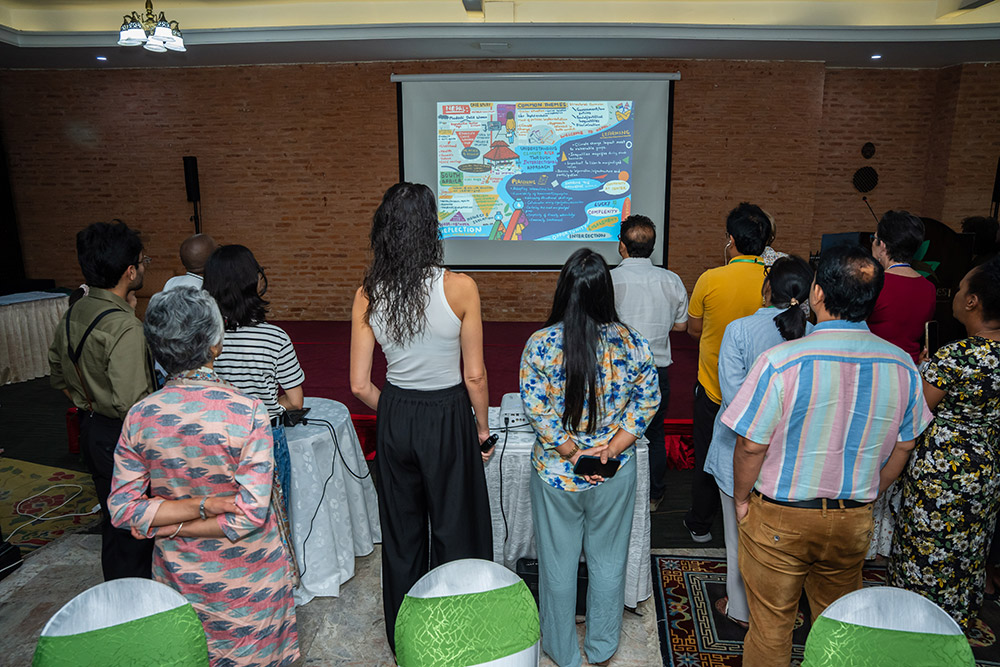
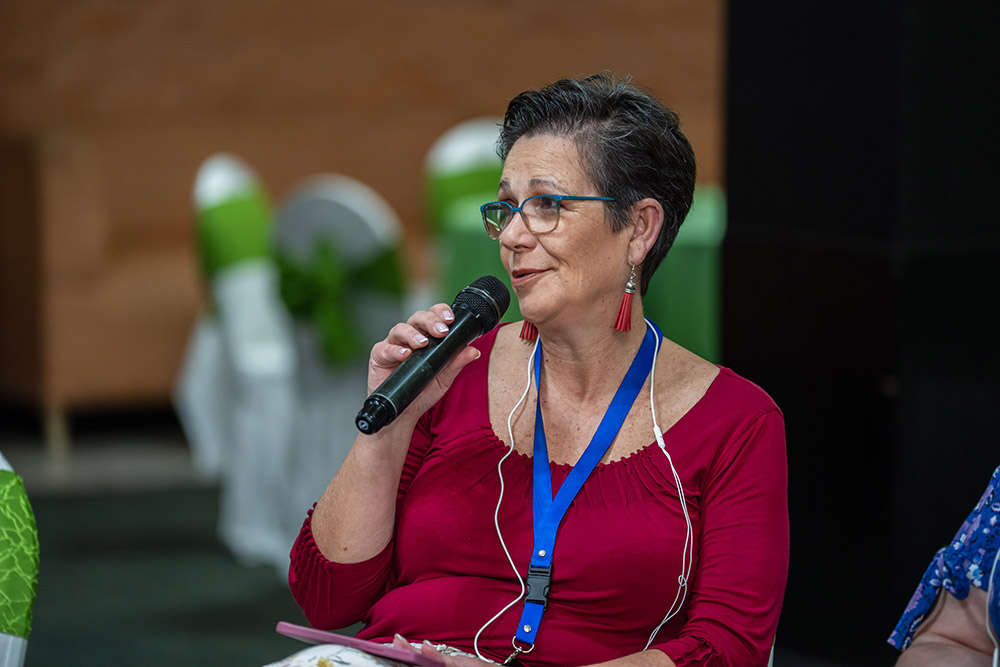
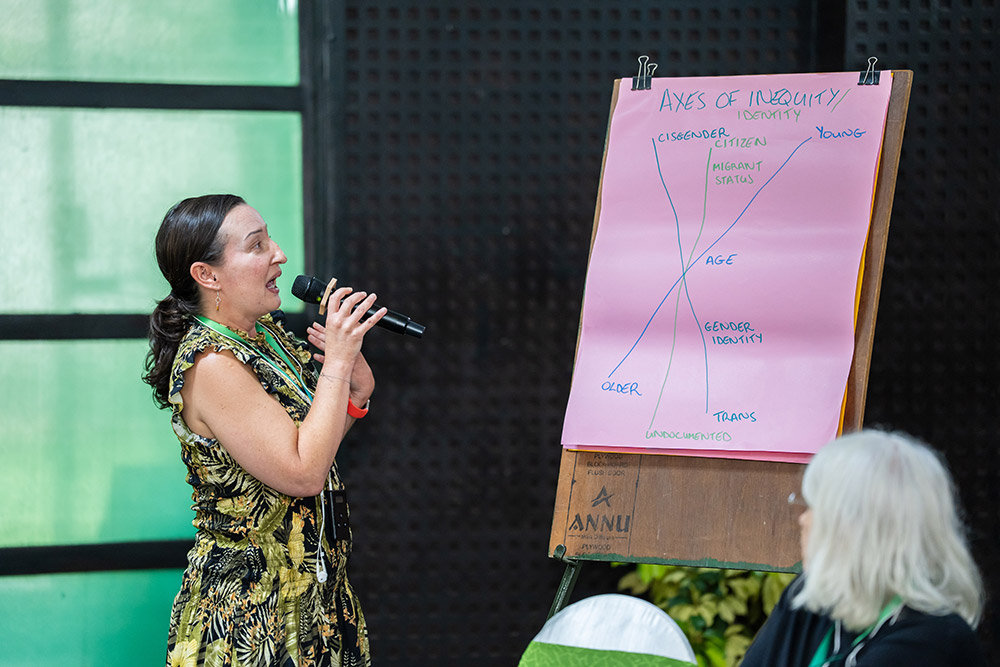
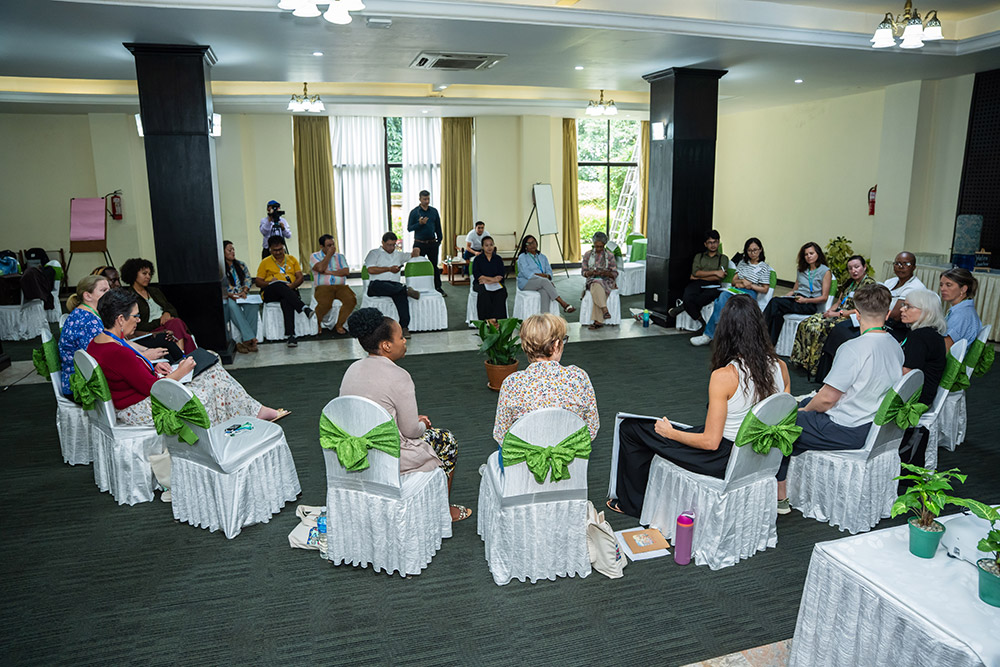
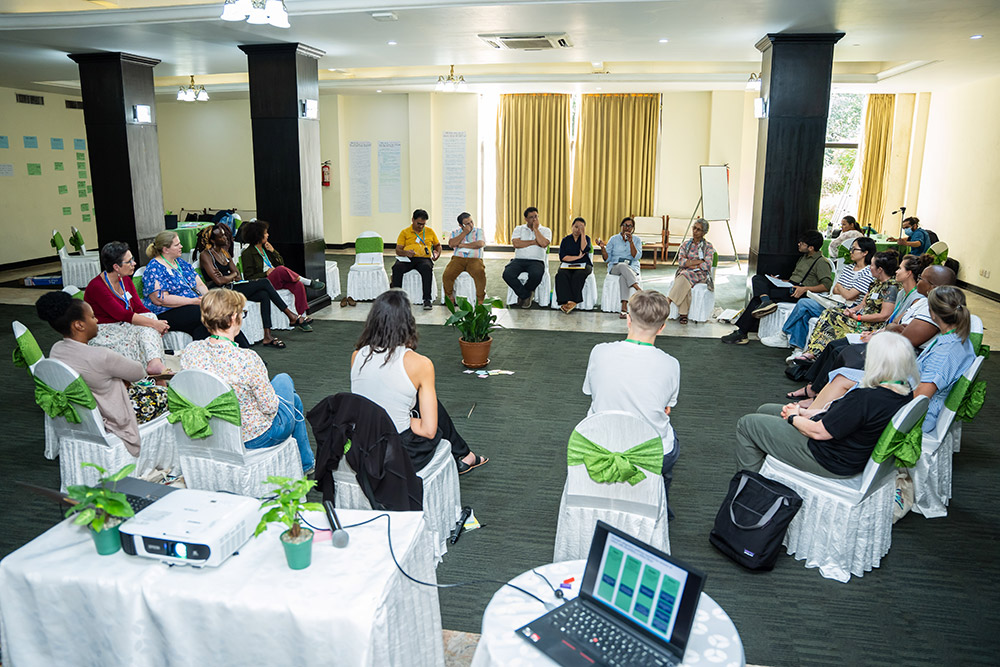
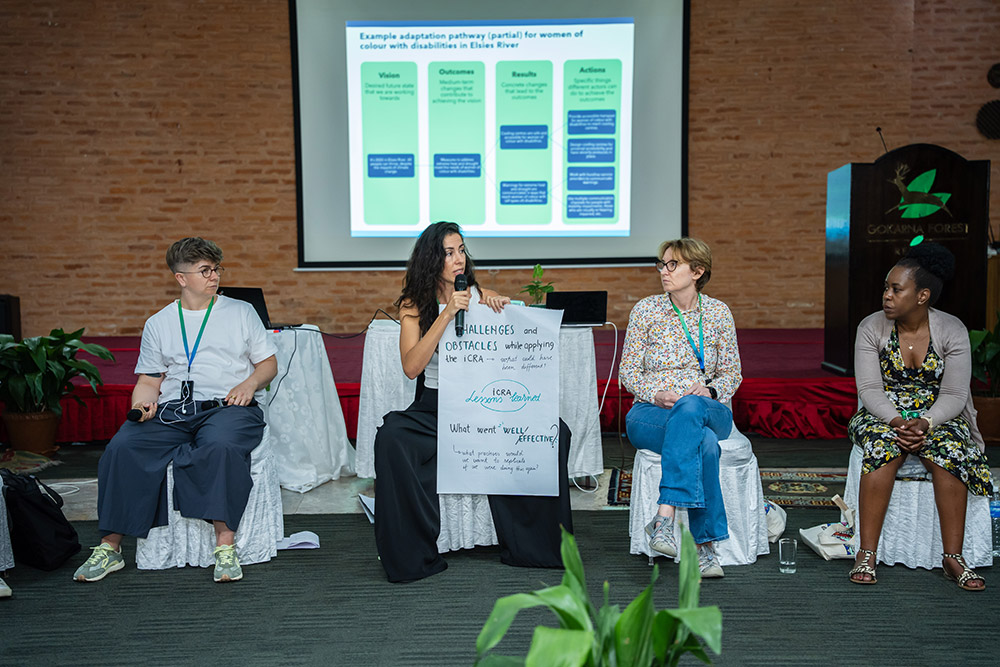
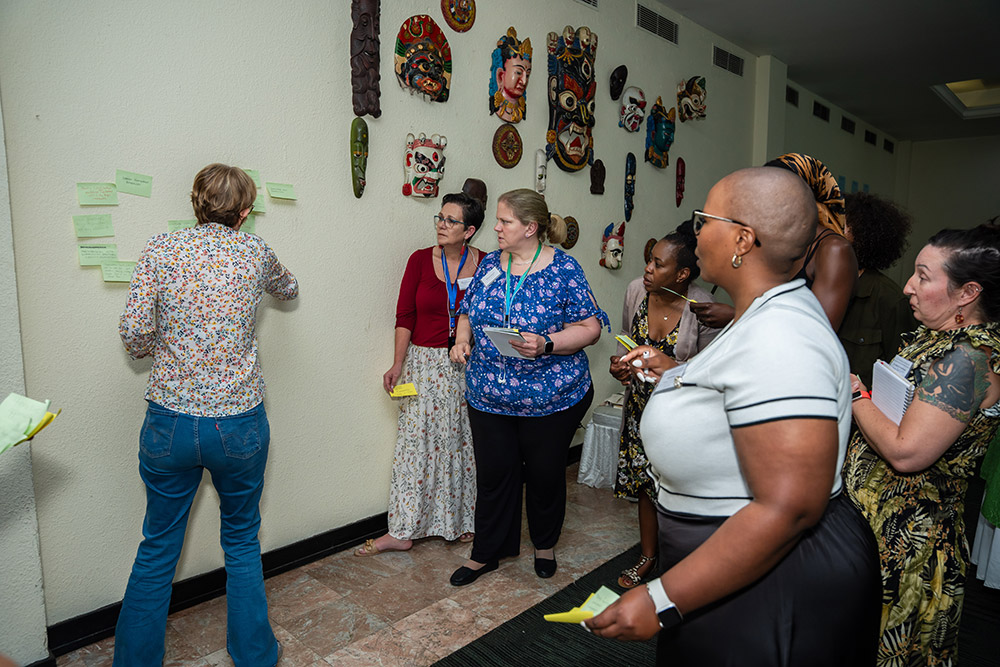
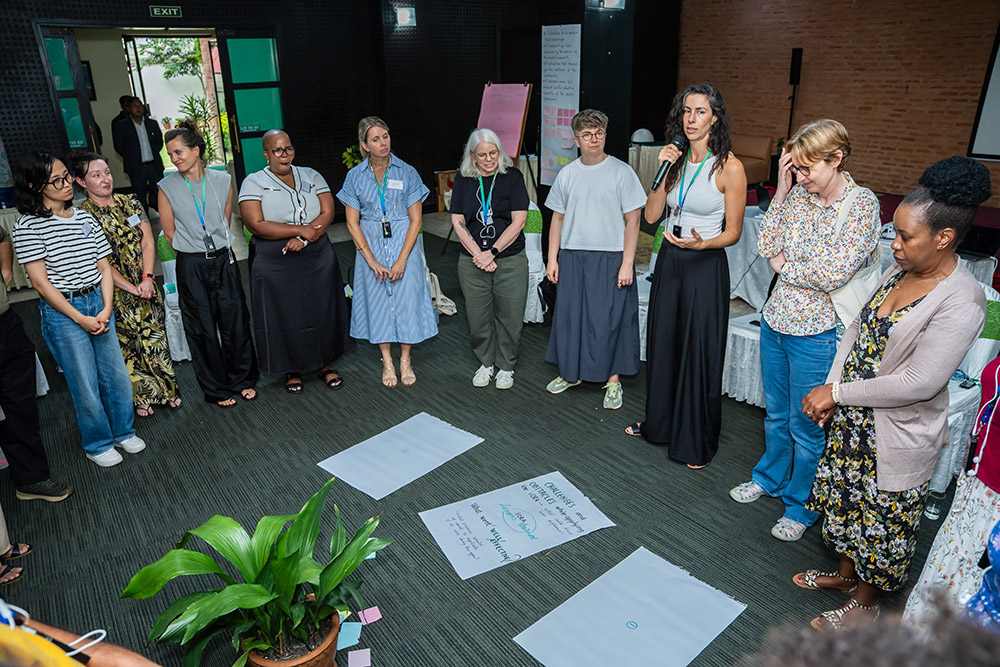
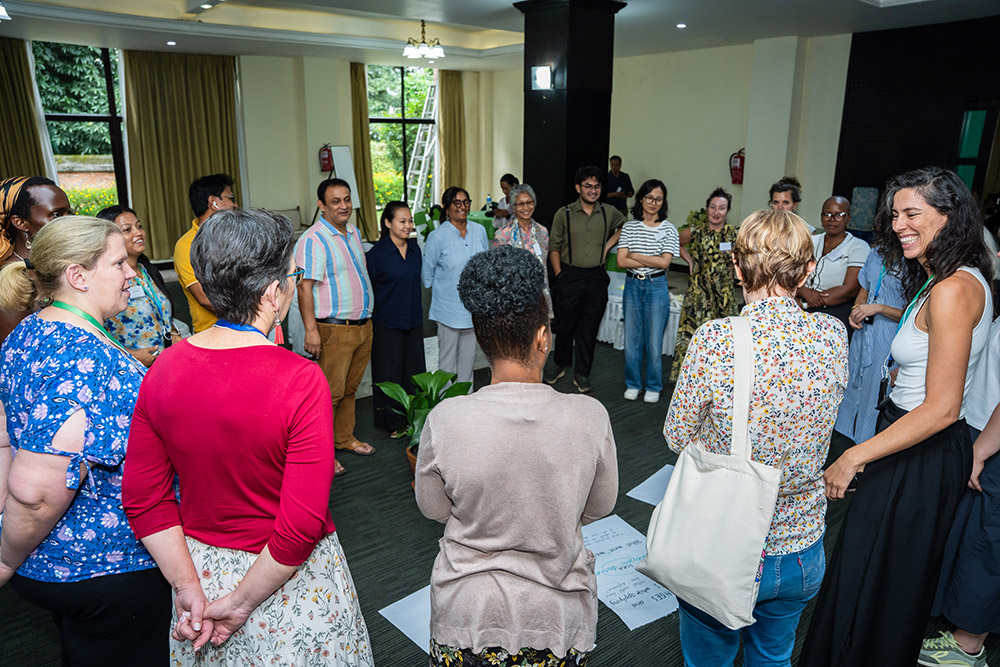
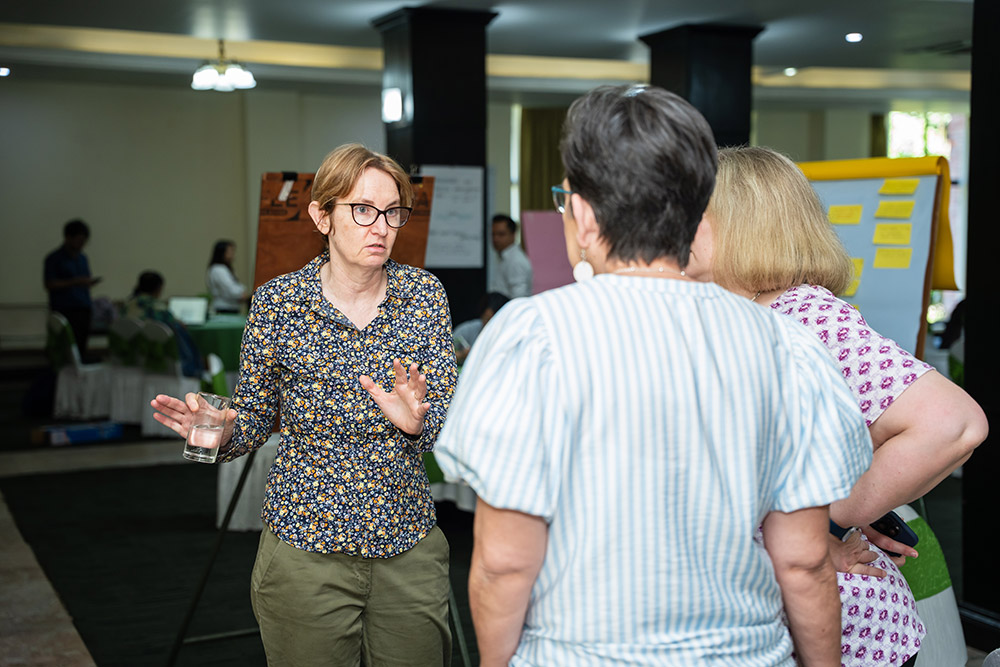
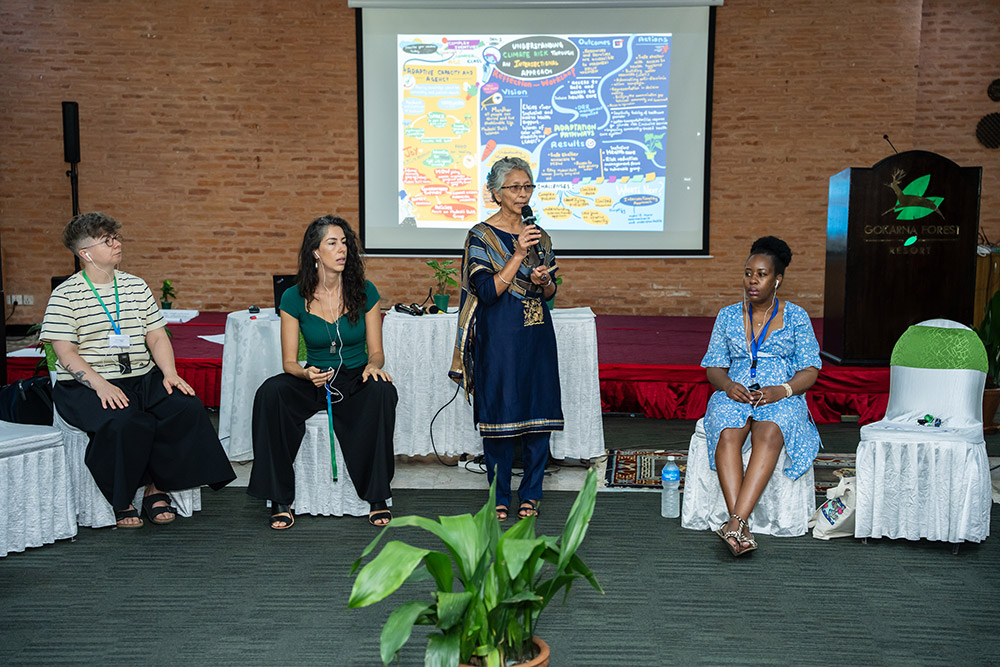
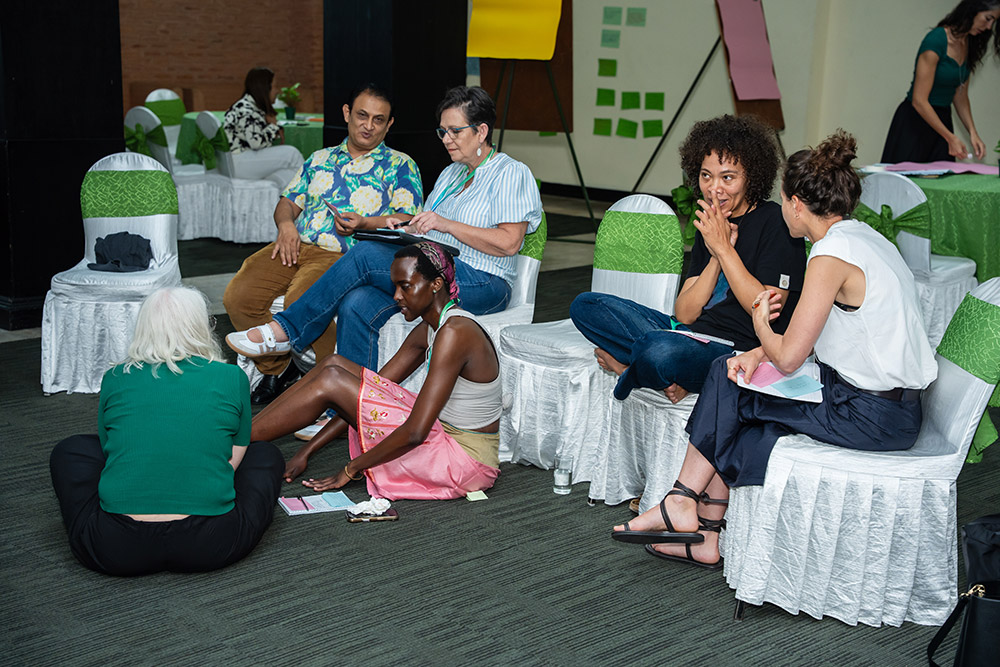
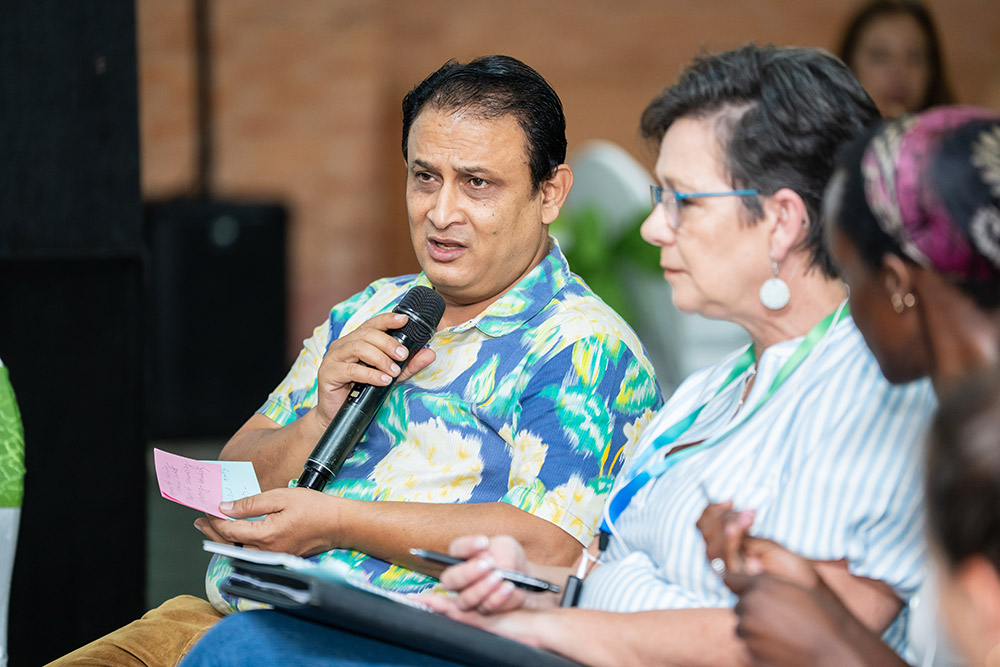
Photo credit: Climate Change Adaptation Workshop. Western Cape APD thanks the organisers for the use of these images.