
From the Margins to the Main Table: Why Disability Representation Matters
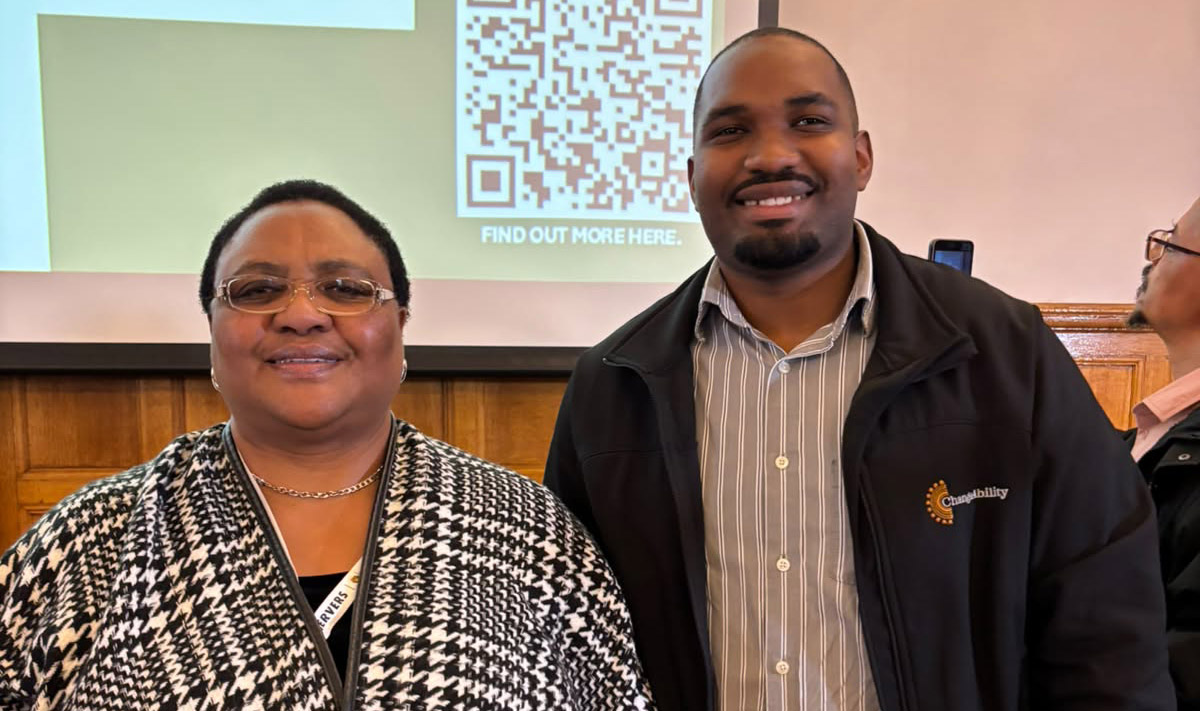
Photo provided by: Changeability
When decisions are made about disability, the most important voices in the room should be those with lived experience and those working alongside persons with disabilities every day. That is why representation at high-level policy discussions is not simply a matter of attendance. It is a matter of influence, accountability and ensuring that legislation reflects the realities faced by people in communities across South Africa.
Recently, Anjeline Frans, Senior Social Worker, and Linden Arends, Social Worker from Changeability, a branch of Western Cape APD, represented the organisation at the 69th Commonwealth Parliamentary Conference, held in Cape Town. Bringing together delegates, legislators, policy-makers and advocates from across the Commonwealth, the event provided an important platform for discussions around disability rights and proposed disability legislation.
For organisations such as Changeability and the broader Western Cape APD network, participation in conversations of this nature is strategically important. While policies and laws are often developed at national level, their success depends on how effectively they respond to the everyday experiences of persons with disabilities, their families and the communities in which they live. Professionals working directly within the disability sector are uniquely positioned to highlight practical barriers, identify gaps in service delivery and share solutions that are already making a difference on the ground.
Disability inclusion is not achieved through legislation alone. It requires ongoing engagement with those who understand the challenges of accessibility, employment, education, healthcare, transport and community participation firsthand. By contributing to discussions around the proposed Disability Act, representatives from Changeability helped ensure that these realities formed part of the broader conversation.
The significance of the event extended beyond South Africa’s borders. As Commonwealth countries continue to strengthen their approaches to disability rights and inclusion, gatherings such as these create opportunities to share knowledge, learn from international best practice and explore innovative approaches to building more inclusive societies. They also reinforce a growing global recognition that persons with disabilities must be included in decision-making processes that affect their lives.
Representation at forums of this nature helps amplify voices that are too often overlooked. It helps ensure that disability is viewed not merely as a social welfare issue, but as a human rights, development and economic participation issue. It also sends a powerful message that persons with disabilities belong at every table where policies, priorities and investments are being discussed.
For South Africa, the discussions around new disability legislation represent an important opportunity to strengthen protections, improve inclusion and advance equality. For persons with disabilities, meaningful representation in these discussions increases the likelihood that future legislation will be informed by real experiences rather than assumptions.
We are proud of Anjeline and Linden for representing not only the organisation, but also the thousands of persons with disabilities whose lived experiences continue to inform the pursuit of a more inclusive society. Their participation serves as an important reminder that effective advocacy is about more than speaking on behalf of others. It is about ensuring that the voices, perspectives and needs of persons with disabilities are present wherever decisions about the future are being made.
As conversations around disability rights continue to evolve, we remain committed to advocating for meaningful inclusion, equal opportunities and a society in which persons with disabilities are recognised not as beneficiaries of change, but as active contributors to shaping it.